Virtual Clinics and Ivermectin Prescriptions: What Americans Need to Know Before Clicking 'Book Appointment'
For many Americans who have struggled to obtain an ivermectin prescription through conventional channels — whether due to skeptical primary care physicians, pharmacy refusals, or insurance complications — the rise of telehealth has represented something of a quiet revolution. Across the country, a growing number of online medical platforms now offer consultations specifically oriented toward medications that remain contested within mainstream clinical circles. Ivermectin sits near the top of that list.
Understanding how these platforms operate, where they are legally permitted to prescribe, and what risks accompany their convenience is no longer optional knowledge for the engaged patient. It is essential.
How Telehealth Prescribing Actually Works
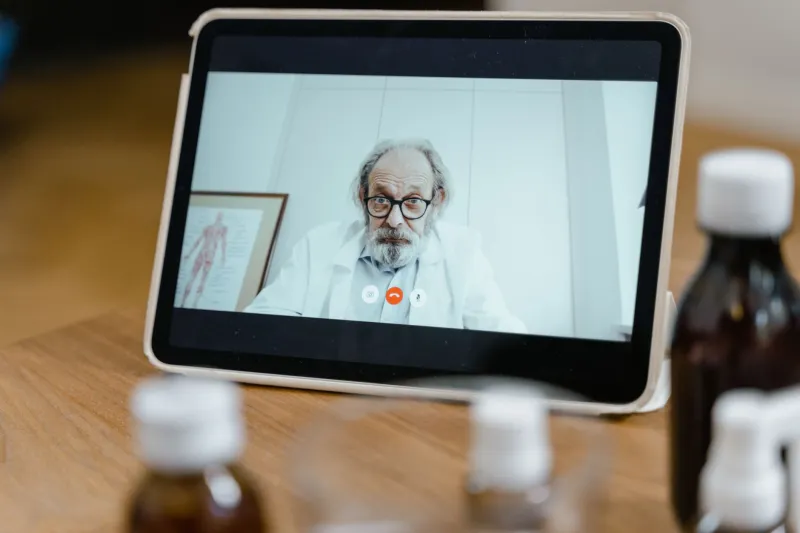
At its core, telehealth prescribing follows the same legal framework as in-person medicine: a licensed physician or nurse practitioner evaluates a patient, determines that a prescription is medically appropriate, and issues that prescription through proper channels. The distinction lies in delivery. Rather than sitting across a desk from a clinician, the patient completes a video call, an asynchronous questionnaire, or in some cases a text-based consultation.
For ivermectin specifically, many telehealth platforms have built intake forms that ask patients to describe their symptoms, medical history, and reasons for seeking the drug. A clinician then reviews this information — sometimes synchronously, sometimes not — and makes a prescribing decision. If approved, the prescription is sent to either a partner pharmacy or a compounding pharmacy that mails the medication directly to the patient's address.
This model is entirely legal under federal law, provided the prescribing clinician holds a valid license in the state where the patient is located and a legitimate patient-provider relationship has been established. The Ryan Haight Online Pharmacy Consumer Protection Act governs controlled substances, but ivermectin is not a controlled substance, which means the regulatory constraints are considerably less stringent.
The State-by-State Variable
Perhaps the most important factor governing the telehealth ivermectin landscape is geography. Medical licensing in the United States remains largely a state-level function, which means that a physician licensed only in Florida cannot legally prescribe to a patient in Oregon — at least not without additional licensure or a reciprocity agreement.
Some states have adopted relatively permissive telehealth frameworks, particularly in the aftermath of regulatory changes accelerated by the COVID-19 public health emergency. Florida, Texas, and several states across the South and Mountain West have maintained expanded telehealth provisions that allow for more flexible patient-provider relationships. States such as California and New York have historically imposed stricter requirements around establishing care prior to prescribing.
For patients seeking ivermectin through telehealth, this means that the platform they choose must be licensed to operate in their home state. Reputable platforms will verify this during the intake process. Those that do not ask for your state of residence before offering a consultation should be regarded with considerable caution.
The Interstate Medical Licensure Compact, which allows qualifying physicians to obtain expedited licensure in multiple member states, has expanded the reach of some telehealth providers. Currently, over 40 states and territories participate, which has meaningfully broadened access for patients in states that were previously underserved.
Identifying Legitimate Platforms
The proliferation of telehealth services has not been without consequence. Alongside credentialed, properly licensed platforms, the internet has produced a secondary market of websites that mimic the appearance of medical services while operating outside established legal and ethical boundaries. Distinguishing between the two requires diligence.
Several markers indicate a legitimate telehealth operation. First, the platform should clearly identify the licensed clinicians on staff, including their state licensure information and specialties. Second, it should require a genuine consultation — not merely a checkbox form — before issuing any prescription. Third, it should not guarantee a prescription prior to evaluation. Any platform that promises ivermectin before a clinician has reviewed your case is not practicing medicine; it is operating a distribution scheme.
Additionally, legitimate platforms partner with licensed pharmacies, either retail or compounding, that are registered with the relevant state pharmacy boards and, where applicable, the Drug Enforcement Administration. Patients should verify that the pharmacy dispensing their prescription can be independently confirmed through their state's pharmacy board website.
The National Association of Boards of Pharmacy maintains a list of verified internet pharmacy practice sites, which can serve as a useful cross-reference when evaluating an online dispensary.
Cost Structures and Insurance Realities
One practical consideration that patients frequently underestimate is cost. Most telehealth platforms offering ivermectin consultations operate on a direct-pay or cash-pay basis, meaning insurance coverage is either not accepted or not applicable. Consultation fees typically range from $50 to $150, depending on the platform and the complexity of the intake process. Prescription costs vary further depending on whether the patient is receiving a commercially manufactured formulation of Stromectol or a compounded version.
Compounded ivermectin — prepared by a compounding pharmacy to a specified dose — is often used when the commercially available dosages do not align with what the prescribing clinician intends. Compounded formulations are not FDA-approved in the same manner as brand-name or generic equivalents, and patients should understand this distinction before accepting a compounded product. That said, compounding pharmacies operating under state licensure and complying with USP standards are a legitimate part of American pharmaceutical practice.
Patients who carry health insurance and wish to seek reimbursement for telehealth consultations may submit claims independently, though success rates vary significantly by insurer and plan type.
Safety Considerations That Cannot Be Overlooked
Convenience should never come at the expense of clinical appropriateness. Ivermectin, while generally well tolerated at approved doses, carries real risks when misused — particularly at elevated doses or in patients with certain drug interactions, liver conditions, or neurological vulnerabilities. The appeal of a rapid online consultation should not override the importance of honest, complete disclosure of one's medical history.
Patients should approach any telehealth consultation for ivermectin with the same candor they would bring to an in-person appointment. Disclose all current medications, particularly those that affect liver enzyme activity, as ivermectin is metabolized hepatically and interactions are clinically meaningful. Disclose any history of neurological conditions, as the drug's mechanism involves ion channel activity that can, in rare circumstances, produce central nervous system effects.
A clinician who does not ask these questions before prescribing should prompt concern rather than confidence.
The Broader Picture
Telehealth's expansion has undeniably created new access points for Americans navigating a healthcare system that has not always been responsive to their preferences or inquiries regarding ivermectin. For patients in rural areas without convenient access to a sympathetic clinician, or for those who have encountered repeated refusals through conventional channels, these platforms offer a meaningful alternative.
What they do not offer is an exemption from the responsibilities of informed, careful medical decision-making. Used wisely — with attention to licensure, transparency, and clinical honesty — telehealth consultations can be a legitimate and practical pathway. Used carelessly, they carry the same risks as any medical shortcut.
At StromectolInfo, our position has consistently been that access to accurate information is the first line of protection for any patient. Understanding the telehealth landscape surrounding ivermectin is not about circumventing the system. It is about navigating it with clarity.